“From the Archives” is a series written by our Historian, David Sheftman
Chess grand masters (those with a ra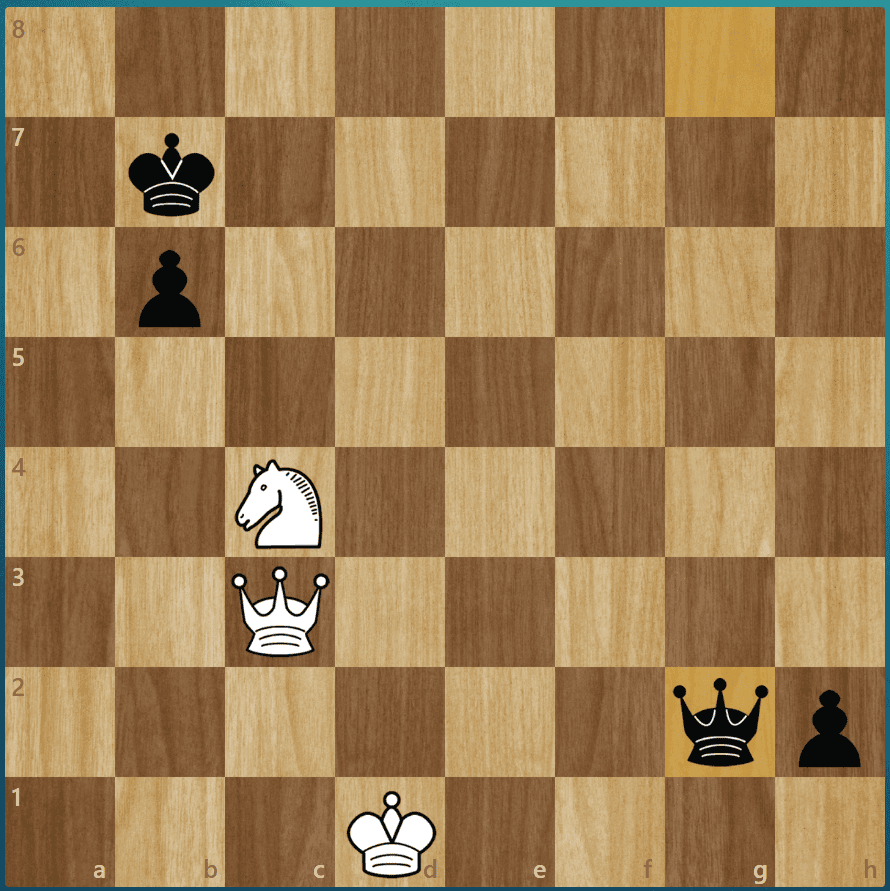 ting of 2700 or above) can literally see into the future. They conceptualize and visualize a mating net, a series of moves that one by one usher the future inexorably into the present. There is nothing an opponent can do to stop a mating net; it is the ultimate fait accompli. Watching the series of moves that effectuate a mating net to a checkmate is truly breathtaking.
So what does chess have to do with union negotiations with the District?
Back in 1993 CCFT’s President T. Mike Walker wrote in the CCFT Newsletter that the District had literally responded “over 122 times” with the refrain “The District does not accept…” when offered proposals by us at the bargaining table. Walker then noted that “CCFT and the District are considering better ways to negotiate than treating each other like enemies. The state reimburses districts for training in interest-based bargaining, a less adversarial bargaining system.”
Why be less adversarial? Why not be more?
Fast forward to 2026 when our union’s president walked away from the negotiations table to file with PERB a request for an impasse mediator. Right on President Hanle! When the District needed to be told “No!” our chief negotiator, our union president, was there to say it loudly and clearly.
This was a historic decision, a first, and it came at the right time and for the right reasons. The District was not bargaining with us in good faith. The result of going to mediation is the tentative agreement which we will shortly be having a ratification vote on.
The negotiations mating net for the future is to do more of the same. As Chris Arellano, CFT’s Training Director, puts it: “The place to start in bargaining is with no.” We’ve been way too willing to say yes. The District is not our friend.
If we are looking to win the chess game at the bargaining table, creating the future we want through the moves we make now, we need to jettison closed bargaining and move to open bargaining. This is a move that CFT trainers recommend we take. It is a best practice move.
Closed bargaining provides for confidentiality regarding what is happening at the table. It holds information close to the vest to those who, a la the musical Hamilton, “want to be in the room where it happens.” Our negotiators in the room are not at liberty to discuss in specifics what is happening at the table. This isn’t because there is a written contract to that effect; it is a verbal agreement on a rule set, a protocol, the parties have agreed to continue.
But it doesn’t have to continue nor should it. Open bargaining means negotiation sessions are not behind closed doors. Union members can attend and hear in real-time what is going on. Our pipeline for members getting up-to-date information about what is happening during negotiations opens up. Our ability as a union to mobilize and be activist opens up.
Chris Arellano agrees; a key way to differentiate a weak from a strong union is that weak unions hold information tightly. Strong unions share information widely and frequently.
Have other faculty unions embraced open bargaining? Yes, they have. They include Barstow College Faculty Association, CTA; AFT 1493 San Mateo County Community College District, and AFT local 1521 Los Angeles Community College District. These colleges are cited in a Spring 2023 Academic Senate resolution from Ventura College (AFT 1828) which states, “Therefore Be It Resolved, that the Ventura College Academic Senate urges the adoption of open collective bargaining negotiations to keep faculty members informed and involved in changes made to the collective bargaining agreement.” For the complete text of the resolution, see Support for Open Collective Bargaining Negotiations.
To this writer’s knowledge, there is no legal prohibition against negotiations being open to those outside the union’s and the District’s negotiation team members. And, to this writer’s knowledge as confirmed by CFT leadership, there is no ability for the District to refuse to engage with open bargaining should our union want to move to that model.
It has been past practice for CCFT to negotiate using closed bargaining. It does not have to be future practice. It should not be future practice.
Shall we, then, get the mating net going, envisioning the future and bringing it into the present through a shift from closed to open bargaining? If we wish to win the chess game of negotiations, open bargaining is step one in checkmating the District.
Want to learn more about open bargaining?
Check out these resources: Open Collective Bargaining–Something Everyone Can Agree On? by Mike Antonucci
Rules to Win By: Power and Participation in Union Negotiations a book by labor strategists Jane McAlevey and Abby Lawlor, published via the UC Berkeley Labor Center